




Residential Elevator Manufacturers: A Complete Guide to Choosing the Right Home Elevator Solution
Modern homes are evolving rapidly. Homeowners today are not only looking for stylish interiors and smart automation but also focusing on comfort, accessibility, and future-ready living. This is where residential elevator manufacturers play an important role. Residential elevators are no longer limited to luxury villas or commercial-style buildings. They have become a practical and value-driven solution for multi-floor homes.
Whether you are building a new property, renovating an existing house, or planning for long-term convenience, installing a home elevator can significantly improve mobility, property value, and daily comfort. From elderly family members to people with mobility challenges, a residential lift creates a safer and more accessible environment for everyone.
Among the growing names in the industry, Blue Horse Elevators has emerged as a trusted company delivering reliable elevator solutions designed for modern residential needs. The company focuses on quality engineering, smooth performance, advanced safety systems, and elegant designs that complement contemporary homes.
This detailed guide explains everything homeowners need to know about residential elevators, including types, benefits, features, installation factors, maintenance, safety, and how to choose the best elevator partner.
Why Residential Elevators Are Becoming Popular
Residential elevators are now seen as a smart investment rather than a luxury addition. Modern urban homes often include multiple floors, duplex layouts, rooftop areas, and private terraces. Climbing stairs daily can become inconvenient over time.
A home elevator offers several advantages:
- Better mobility inside the house
- Improved accessibility for elderly family members
- Enhanced safety
- Increased property appeal
- Long-term convenience
- Better lifestyle comfort
- Space optimization
- Future-ready home planning
Many homeowners also prefer installing elevators during the construction phase because it improves the overall architectural design and usability of the property.
What Do Residential Elevator Manufacturers Do?
Professional residential elevator manufacturers design, engineer, install, and maintain elevators specifically built for homes. Unlike commercial elevators, residential lifts are customized according to:
- Home size
- Interior design
- Floor height
- Usage requirements
- Safety standards
- Available space
- Load capacity needs
Top manufacturers also provide complete support services including:
- Site inspection
- Lift design consultation
- Shaft planning
- Elevator installation
- Testing and commissioning
- Regular maintenance
- Safety inspections
- Modernization services
Companies like Blue Horse Elevators focus on combining technology with aesthetics to create elevators that blend perfectly with residential architecture.
Types of Residential Elevators
Understanding different elevator types helps homeowners make better decisions. Every home has unique requirements, so selecting the right elevator depends on available space, usage, and structural conditions.
Hydraulic Home Elevators
Hydraulic elevators use fluid pressure systems to move the lift cabin.
Benefits
- Smooth ride quality
- Quiet operation
- Suitable for low-rise residential buildings
- Strong lifting capability
- Reliable performance
Best For
- Villas
- Duplex homes
- Bungalows
- Independent houses
Traction Residential Elevators
Traction elevators operate using ropes and counterweights.
Benefits
- Energy efficient
- Faster operation
- Suitable for frequent use
- Advanced safety systems
- Modern technology integration
Best For
- Premium homes
- Multi-floor residences
- Smart homes
Machine Room-Less Elevators
Machine room-less elevators are becoming increasingly popular among modern homeowners.
Benefits
- Space-saving design
- Cleaner installation
- Modern appearance
- Lower structural requirements
- Energy-efficient performance
Best For
- Compact homes
- Urban residential projects
- Modern architectural designs
Pneumatic Vacuum Elevators
These elevators use air pressure technology.
Benefits
- Unique appearance
- Minimal civil work
- Compact footprint
- Stylish design
Best For
- Luxury homes
- Designer residences
- Premium interior projects
Key Features Offered by Home Elevator Manufacturers
Leading home elevator manufacturers focus on more than just transportation between floors. Modern residential elevators include advanced technologies and user-friendly features.
Safety Features
Safety remains the highest priority for residential elevators.
Common safety systems include:
- Emergency alarm
- Automatic rescue device
- Battery backup
- Door sensors
- Overload protection
- Emergency stop button
- Interlocking doors
- Smooth braking systems
Companies like Blue Horse Elevators prioritize safety engineering to ensure dependable operation for families.
Smart Control Systems
Modern elevators now include intelligent control features such as:
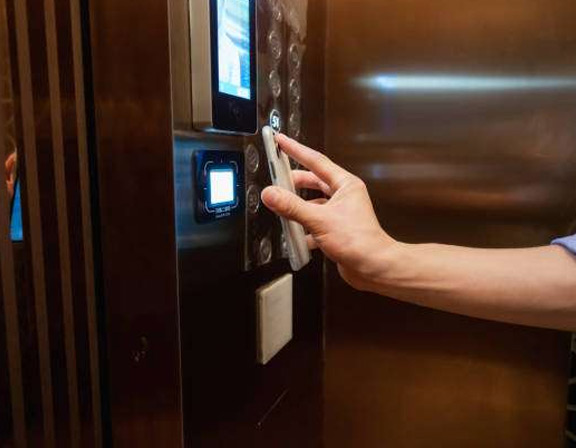
- Touchscreen panels
- Voice assistance
- Smart home integration
- Remote monitoring
- Automatic diagnostics
- Digital floor displays
These features improve convenience while enhancing the overall user experience.
Stylish Cabin Designs
Today’s homeowners expect elevators to match their interiors.
Residential lift cabins are available in:
- Glass finishes
- Stainless steel interiors
- Wooden textures
- Premium lighting systems
- Customized flooring
- Designer wall panels
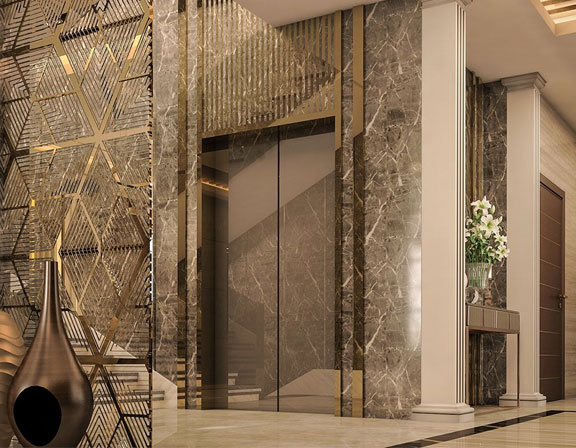
A stylish elevator can become a visual centerpiece within the home.
Energy Efficiency
Energy-saving technology is a major focus among modern domestic elevator suppliers.
Efficient systems help reduce:
- Power consumption
- Operational load
- Maintenance requirements
This makes residential elevators more environmentally friendly and cost-effective over the long term.
The Role of AMC for Elevators
An AMC for elevators helps building owners maintain elevator systems through planned servicing schedules and professional support. Annual maintenance contracts provide structured maintenance programs that ensure consistent monitoring and timely inspections.
A well-managed AMC program typically includes:
- Scheduled preventive inspections
- Routine component testing
- Cleaning and lubrication
- Technical diagnostics
- Performance optimization
- Emergency support assistance
- Replacement recommendations for worn components
The advantage of an AMC is that building owners do not need to wait for a problem to appear before seeking technical help. Instead, elevators are monitored continuously to maintain smooth operation.
Benefits of Installing a Residential Elevator
Improved Accessibility
One of the biggest benefits is easy mobility between floors. Elderly individuals and people with physical limitations can move comfortably without depending on stairs.
Increased Property Value
Homes equipped with elevators often attract better market attention. Buyers see elevators as premium lifestyle features that add long-term convenience.
Better Safety
Stairs can become risky, especially for children and senior citizens. Elevators reduce the chances of slips and falls significantly.
Future-Proof Living
Installing an elevator prepares the house for future accessibility needs. It allows homeowners to continue using all floors comfortably as they age.
Convenience in Daily Life
Carrying groceries, luggage, furniture, or household items between floors becomes easier and more efficient.
Comparison Between Residential Elevator Types
| Feature | Hydraulic Elevator | Traction Elevator | Machine Room-Less Elevator | Pneumatic Elevator |
|---|---|---|---|---|
| Ride Comfort | Smooth | Very Smooth | Smooth | Moderate |
| Space Requirement | Medium | Medium | Low | Very Low |
| Energy Efficiency | Moderate | High | High | Moderate |
| Design Flexibility | High | High | High | Premium Style |
| Maintenance | Moderate | Low | Low | Specialized |
| Noise Level | Low | Very Low | Very Low | Moderate |
| Ideal For | Villas | Multi-floor homes | Compact homes | Luxury residences |
How to Choose the Right Residential Lift Company
Choosing the right residential lift company is one of the most important decisions in the installation process.
Evaluate Experience and Expertise
Look for manufacturers with experience in residential elevator engineering. Home elevators require different planning compared to commercial systems.
Check for:
- Project portfolio
- Technical expertise
- Installation quality
- Industry reputation
Focus on Safety Standards
Always choose companies that follow strict safety guidelines and use certified components.
Ask about:
- Safety testing
- Emergency systems
- Compliance standards
- Quality assurance processes
Customization Capabilities
Every home is different. Reliable manufacturers provide tailored solutions according to:
- Space availability
- Interior design
- Architectural layout
- User preferences
Maintenance Support
Regular maintenance ensures long-term elevator performance.
Choose manufacturers that provide:
- Timely servicing
- Technical support
- Spare part availability
- Preventive maintenance plans
Technology Integration
Modern residential elevators should support advanced technologies for better convenience and energy efficiency.
Why Blue Horse Elevators Stands Out
Blue Horse Elevators focuses on delivering reliable residential elevator solutions with a balance of safety, comfort, innovation, and design excellence.
The company emphasizes:
- High-quality engineering
- Smooth elevator operation
- Customized solutions
- Durable components
- Modern aesthetics
- Long-term reliability
- Professional installation support
By understanding the evolving needs of modern homeowners, Blue Horse Elevators creates elevators that improve both functionality and lifestyle quality.
Home Elevator Installation Process
Understanding the installation process helps homeowners plan efficiently.
Step One: Site Inspection
The process begins with a detailed inspection of the property.
Experts analyze:
- Structural conditions
- Space availability
- Floor layout
- Shaft requirements
- Electrical setup
Step Two: Design Consultation
The manufacturer discusses:
- Cabin style
- Elevator type
- Capacity needs
- Door options
- Interior finishes
Customization plays a major role during this stage.
Step Three: Civil Preparation
Depending on the elevator type, civil work may include:
- Shaft construction
- Pit preparation
- Electrical planning
- Structural reinforcement
Machine room-less elevators often require less construction work.
Step Four: Elevator Installation
Technical teams install:
- Guide rails
- Cabin systems
- Control units
- Doors
- Safety components
Step Five: Testing and Safety Checks
Before handover, manufacturers conduct extensive testing to ensure:
- Smooth movement
- Proper door functioning
- Emergency response operation
- Safety system reliability
Step Six: Final Handover
After successful testing, the elevator becomes operational for residential use.
Important Factors Before Installing a Home Elevator
Available Space
Some homes have limited installation space. Compact elevator designs can help optimize smaller areas.
Number of Floors
The height and number of floors affect elevator selection.
Usage Frequency
Frequent daily use may require advanced systems with higher efficiency and durability.
Interior Design Preferences
The elevator should complement the overall interior theme of the home.
Long-Term Family Needs
Think about future accessibility requirements while planning installation.
Residential Elevators and Smart Homes
Modern homes are becoming increasingly connected through automation systems. Residential elevators are now integrated with smart technologies for improved convenience.
Features may include:
- Mobile app controls
- Smart security integration
- Voice command support
- Remote diagnostics
- Energy monitoring
These innovations improve operational efficiency and enhance the homeowner experience.
Why Indian Homeowners Are Investing in Home Elevators
Demand for home lift manufacturers in India is increasing due to several reasons:
- Growing urban housing
- Multi-story homes
- Aging population
- Modern lifestyle preferences
- Smart home trends
- Improved affordability
- Better awareness about accessibility
Indian homeowners now view elevators as long-term lifestyle investments rather than luxury additions.
The Future of Residential Elevator Technology
The future of residential elevators is becoming more innovative and user-focused.
Emerging trends include:
- AI-powered diagnostics
- Contactless controls
- Sustainable elevator systems
- Ultra-quiet operation
- Enhanced safety intelligence
- Compact modular designs
- Personalized cabin experiences
Manufacturers that invest in advanced engineering and customer-focused innovation will continue shaping the future residential mobility market.
How Residential Elevators Improve Lifestyle Quality
Residential elevators are not just mobility tools. They transform the way families experience daily living.
Benefits include:
- Reduced physical strain
- Greater independence
- Enhanced home accessibility
- Better convenience
- Modern lifestyle enhancement
- Improved property aesthetics
- Long-term family comfort
This combination of practicality and sophistication makes elevators an increasingly desirable home feature.
Choosing Between Domestic Elevator Suppliers
Before finalizing any elevator partner, compare suppliers carefully.
Important evaluation points include:
| Evaluation Factor | What to Check |
|---|---|
| Product Quality | Durability and engineering standards |
| Safety Features | Emergency systems and certifications |
| Customization | Design and layout flexibility |
| Technology | Smart controls and energy efficiency |
| Installation Support | Professional execution capability |
| Service Support | Maintenance and technical assistance |
| Brand Reputation | Customer trust and project experience |
A reliable manufacturer provides long-term support rather than just product installation.
Conclusion
The demand for residential elevators is growing rapidly as homeowners seek safer, smarter, and more convenient living environments. Choosing the right residential elevator manufacturers can significantly improve comfort, accessibility, and long-term property value.
From elegant cabin designs to advanced safety systems, modern home elevators are designed to meet the evolving expectations of contemporary families. Whether you need a compact solution for a duplex apartment or a premium lift for a luxury villa, selecting the right elevator partner is essential for long-term satisfaction.
Blue Horse Elevators continues to deliver reliable and innovative elevator solutions tailored to residential needs. With a strong focus on quality, safety, customization, and performance, the company helps homeowners create future-ready living spaces that combine functionality with modern style.
If you are planning to upgrade your home with a residential elevator, now is the perfect time to explore customized solutions that improve accessibility, convenience, and everyday comfort. A professionally designed home elevator is more than an installation — it is an investment in better living for years to come.
Frequently Asked Questions (FAQs)
1. What are the benefits of installing a residential elevator in a home?
Residential elevators improve accessibility, convenience, and safety within multi-floor homes. They help elderly family members and people with mobility challenges move comfortably between floors while also enhancing property value and modern living standards.
2. How do I choose the best residential elevator manufacturers?
When selecting residential elevator manufacturers, consider factors such as product quality, safety features, customization options, installation expertise, maintenance support, and overall industry reputation. Choosing an experienced company like Blue Horse Elevators ensures reliable performance and long-term support.
3. Are home elevators suitable for small houses?
Yes, modern home elevators are available in compact designs that can fit smaller residential spaces. Many home elevator manufacturers now offer machine room-less and space-saving elevator solutions designed specifically for urban homes and duplex properties.
4. What safety features are included in residential elevators?
Most residential elevators include advanced safety systems such as emergency alarms, battery backup, automatic rescue devices, overload protection, door sensors, and emergency stop functions. These features ensure smooth and secure operation for daily residential use.
5. Why is the demand for home lift manufacturers in India increasing?
The demand for home lift manufacturers in India is growing because homeowners are focusing more on accessibility, smart living, future-ready homes, and convenience. Multi-story residential properties and modern architectural trends are also driving the popularity of residential elevators across the country.
Elevator Maintenance Services: Complete Guide to Reliable Lift Performance and Long-Term Safety
Best Elevators for Homes